
Introduction
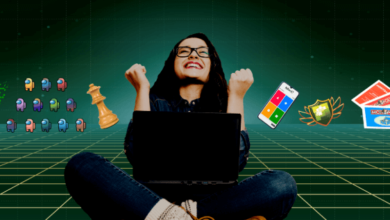
In the fast-paced, technology-driven world of today, the role of early childhood education is more critical than ever. As young children begin to learn about the world around them, it’s essential that the methods used to foster their growth align with their developmental needs. Game-based learning (GBL) has emerged as one of the most powerful and engaging tools for facilitating cognitive, social, and emotional development in children. By combining play with educational content, game-based learning promotes a hands-on, interactive approach to learning that can significantly enhance early childhood development.
This article will explore the benefits of game-based learning for young children, focusing on how it contributes to cognitive, social, emotional, and physical development. We will look at various types of educational games and how they help children build essential skills, while also discussing the challenges and future trends in game-based learning for early education.
1. Introduction to Game-Based Learning
1.1 What is Game-Based Learning?
Game-based learning (GBL) refers to the use of games as a tool for educational purposes. These games are designed to make learning fun and engaging, integrating educational content into gameplay mechanics. Rather than simply focusing on passive learning through lectures or worksheets, game-based learning actively involves children in their education. This method can include board games, card games, video games, role-playing games, and educational apps.
For young children, game-based learning taps into their natural curiosity and love of play. It allows them to learn by doing, making mistakes, and solving problems in a safe and supportive environment. As children interact with these games, they are simultaneously developing essential cognitive, emotional, and social skills.
See also: Interactive Storytelling Games for Developing Imagination and Literacy
1.2 The Importance of Early Childhood Education
Early childhood is a critical period of development, with foundational skills being formed in areas such as language, motor skills, social behavior, and cognitive processing. Research shows that children’s brains develop rapidly during the first five years of life, making early childhood education a key factor in ensuring long-term success. Traditional teaching methods are often passive, while game-based learning is active and participatory, helping children develop in a more holistic manner.
By incorporating games into early childhood education, children learn in a way that feels natural and exciting. This not only fosters engagement but also encourages self-directed learning, which builds confidence and independence.
2. Cognitive Benefits of Game-Based Learning
2.1 Enhancing Problem-Solving Skills
One of the most important cognitive skills developed through game-based learning is problem-solving. Many games require children to think critically, assess situations, and come up with solutions. Whether they are solving a puzzle in a board game or figuring out how to win a video game, children are constantly engaging in logical thinking and strategic planning.
For example, a game like Jenga helps children understand concepts like balance and coordination, while a video game such as Minecraft encourages spatial awareness and resource management. These skills are transferable to other areas of life, such as schoolwork and social interactions.
2.2 Improving Memory and Attention
Games often involve multiple steps, rules, and patterns, which encourage children to enhance their memory and attention span. For instance, in matching games or memory card games, children must recall previous moves and make decisions based on that recollection. This type of cognitive challenge strengthens their working memory and helps them focus on the task at hand.
By playing interactive games that require attention to detail, children can also enhance their ability to filter distractions and concentrate on important tasks. These are essential skills for academic and personal success later in life.
3. Social and Emotional Development through Games
3.1 Building Social Skills and Cooperation
Games, particularly group games, provide an excellent opportunity for children to learn how to interact with others. Cooperative games, where children work together to achieve a common goal, teach them important social skills such as sharing, turn-taking, and communication.
For example, in games like Candy Land or The Game of Life, children learn to follow rules, take turns, and share their thoughts and feelings with their peers. These interactions not only help children develop friendships but also enhance their ability to collaborate in a team setting, which is crucial in both educational and social contexts.
3.2 Emotional Regulation and Resilience
Educational games also help children learn how to manage emotions and cope with challenges. Many games introduce the concept of failure and resilience by providing a safe space for children to make mistakes without severe consequences. This encourages children to develop a growth mindset, where they understand that failure is just part of the learning process.
Games that involve overcoming obstacles or challenges, such as puzzle games or role-playing games, help children develop emotional resilience. They learn that persistence and effort lead to success, which builds self-esteem and confidence.
4. Game-Based Learning for Language Development
4.1 Vocabulary Building through Interactive Games
Many educational games are designed to enhance language skills by introducing new vocabulary and promoting active engagement with language. Games that encourage word-building or storytelling, such as Scrabble or interactive apps like Endless Alphabet, provide a playful way for children to expand their vocabulary.
As children play these games, they are encouraged to listen, speak, and read, which improves their overall language development. Additionally, by hearing words used in context and applying them in their own speech, children develop phonemic awareness and language fluency.
4.2 Promoting Communication and Listening Skills
Games also offer opportunities for children to practice listening and communication skills. In cooperative or storytelling games, children must listen to instructions, follow directions, and communicate their thoughts clearly. This builds their ability to understand and express themselves verbally, laying the foundation for effective communication in later life.
5. Physical Benefits of Game-Based Learning
5.1 Developing Fine and Gross Motor Skills
Game-based learning is not limited to cognitive or social skills; it also promotes physical development. Games that require manipulation of objects, such as building blocks or puzzles, help children develop fine motor skills, including hand-eye coordination, dexterity, and precision.
In addition, games that encourage movement, such as active learning games or outdoor games like Simon Says or Duck Duck Goose, help children develop gross motor skills, such as balance, coordination, and strength. These activities are crucial for physical growth and contribute to a child’s overall well-being.
5.2 Encouraging Physical Activity through Interactive Play
Interactive play also encourages physical activity, which is essential for children’s health and development. In today’s digital age, many apps and games are designed to integrate physical movement with digital play. Games like Just Dance or Wii Sports encourage children to move, jump, and dance to the rhythm of the game, which helps develop both physical coordination and fitness.
6. How Educational Games Enhance Creativity
6.1 Promoting Imagination and Exploration
Game-based learning sparks creativity by encouraging children to think outside the box. Games like LEGO, Minecraft, or Toca Boca allow children to create and explore their own virtual worlds, fostering imagination and problem-solving skills. This type of open-ended play nurtures curiosity and encourages children to experiment with new ideas.
By interacting with games that allow for creative expression, children develop a sense of exploration and discovery, which is critical in nurturing innovative thinking.
6.2 Problem Solving and Critical Thinking
Games that challenge children to solve puzzles, figure out patterns, or navigate complex scenarios teach them critical thinking. Whether they are playing a memory game or engaging in a strategic role-playing game, children learn how to break down problems, identify solutions, and evaluate different strategies. These critical thinking skills form the foundation for lifelong learning and success.
7. The Role of Technology in Game-Based Learning
7.1 Digital Games and Learning Platforms
As technology advances, digital games and educational platforms have become an integral part of game-based learning. Apps, online games, and video games provide rich, interactive environments for children to engage in learning.
These platforms offer a wide variety of subjects, from math and science to language and social studies. By incorporating animation, audio, and interactive elements, digital games make learning engaging and immersive, allowing children to dive deeper into the content.
7.2 Balancing Screen Time with Physical Activity
While digital games are valuable, it’s essential to balance screen time with physical activity. Parents and educators should encourage children to take breaks from screen-based games and engage in active play, such as running, dancing, or outdoor activities. This balance ensures that children develop in both cognitive and physical domains.
8. Types of Educational Games for Early Childhood
8.1 Traditional Games and Toys
Traditional games, such as puzzles, building blocks, and memory games, remain effective tools for fostering cognitive, social, and emotional development. These games don’t require screens or digital devices, making them ideal for creating meaningful face-to-face interactions.
8.2 Digital Games and Interactive Apps
As technology evolves, digital games and interactive apps have become widely accessible and offer a vast array of educational content. Games designed for tablets and smartphones, such as Endless Alphabet or ABCmouse, help young children develop foundational skills in literacy, numeracy, and social-emotional learning.
9. Challenges in Implementing Game-Based Learning
9.1 Screen Time Concerns
One of the primary challenges of game-based learning is screen time. Too much screen exposure can affect children’s physical health and disrupt their sleep patterns. Balancing screen time with other educational activities is essential for healthy development.
9.2 Accessibility and Inclusivity
Not all families have access to the devices or internet connection needed for digital games. It is important that game-based learning remains accessible to all children, including those from lower-income families or those with disabilities. Developers must consider inclusivity in their game design to ensure all children can benefit from game-based learning.
10. The Future of Game-Based Learning in Early Childhood
10.1 Technological Innovations in Educational Games
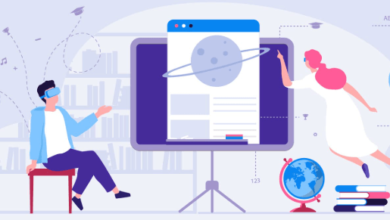
As technology continues to advance, we can expect even more innovative and interactive educational games for young children. Virtual reality (VR), augmented reality (AR), and artificial intelligence (AI) will enable even more immersive and personalized learning experiences.
10.2 Personalized Learning Experiences
The future of game-based learning lies in creating personalized experiences for each child. Through AI-powered platforms, educational games can adapt to a child’s learning pace and style, providing tailored challenges and content that best support their developmental needs.
11. Conclusion
Game-based learning is an invaluable tool in early childhood education, offering numerous cognitive, social, emotional, and physical benefits. By blending play with learning, educational games provide an engaging and effective way to help children build essential skills that they will carry with them throughout life. As technology evolves, game-based learning will continue to play a pivotal role in shaping the future of education for young children.
FAQs
What is game-based learning?
Game-based learning uses games as educational tools to help children develop various skills, including cognitive, social, and emotional abilities, through interactive play.
How does game-based learning benefit young children?
It promotes critical thinking, problem-solving, language development, social skills, and physical activity, providing a holistic approach to learning.
Are digital games effective for early childhood development?
Yes, digital games are effective when used appropriately, offering interactive learning experiences that engage children in developing foundational skills.
How can parents balance screen time with game-based learning?
Parents should ensure a balance by limiting screen time and encouraging physical play, outdoor activities, and offline educational games.
What types of games are best for early childhood development?
Traditional games like puzzles and building blocks, as well as digital games and apps designed for educational purposes, are ideal for early childhood development.
Are educational games inclusive for all children?
Developers are increasingly focusing on accessibility and inclusivity to ensure that educational games can be enjoyed by children of all abilities and backgrounds.